How Does Medical Identity Theft Occur? A Complete Prevention Guide
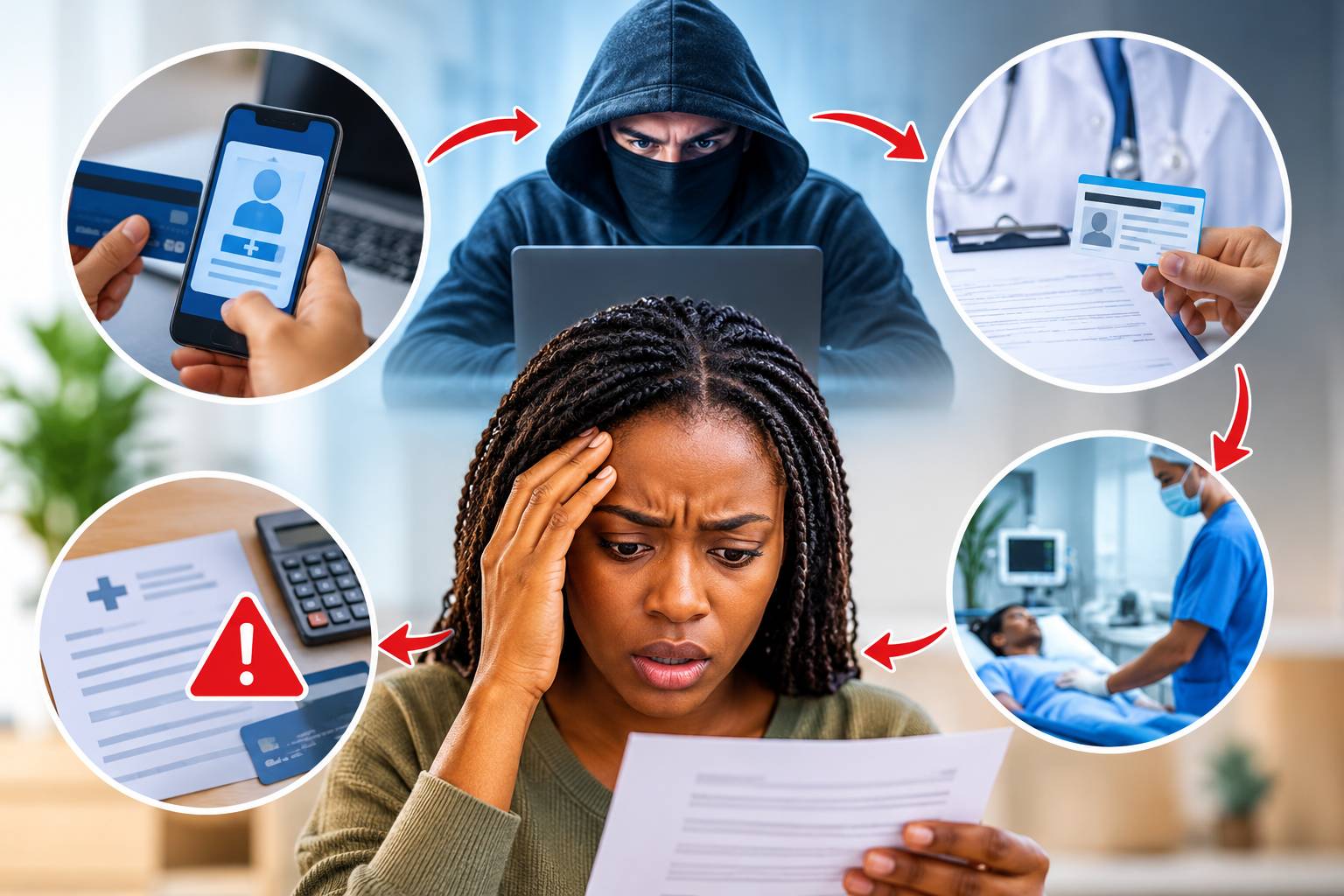
Table of Contents
Medical identity theft is one of the fastest-growing and most damaging forms of identity fraud. Unlike financial identity theft, which can often be resolved relatively quickly, medical identity theft can corrupt your health records, lead to incorrect medical treatment, and take years to fully resolve. Understanding how medical identity theft occurs is the first step to protecting yourself.
In 2025, the healthcare sector experienced over 700 data breaches affecting more than 170 million records. Medical records are worth 10-50 times more than credit card numbers on the dark web because they contain a comprehensive package of personal information that can be used for multiple types of fraud.
What Is Medical Identity Theft?
Medical identity theft occurs when someone uses your personal information — name, health insurance number, Social Security number, or other identifying data — to obtain medical care, prescription drugs, or to submit fraudulent insurance claims in your name.
The consequences can be severe:
- Incorrect medical records — someone else's blood type, allergies, or conditions added to your file
- Denied insurance claims — your benefits may be exhausted by the thief
- Incorrect treatment — doctors may make decisions based on corrupted records
- Financial liability — bills for services you never received
- Legal issues — if the thief commits prescription fraud in your name
- Difficulty resolving — medical records are protected by HIPAA, making corrections slow
How Does Medical Identity Theft Occur?
1. Healthcare Data Breaches
The single largest source of medical identity theft. Healthcare organizations are prime targets because they store vast amounts of sensitive data and often have weaker cybersecurity than financial institutions:
- Hospitals and clinics: Large databases containing millions of patient records
- Health insurance companies: Policy numbers, SSNs, billing information
- Pharmacies: Prescription records and insurance details
- Third-party vendors: Billing services, cloud storage providers, IT contractors
- EHR (Electronic Health Record) systems: Centralized databases with comprehensive patient data
Notable healthcare breaches include the Anthem breach (78.8 million records), Premera Blue Cross (11 million records), and the Change Healthcare breach of 2024 (over 100 million records).
2. Phishing and Social Engineering
Criminals target both patients and healthcare workers:
- Patient phishing: Fake emails or texts claiming to be from your doctor, hospital, or insurer requesting "verification" of personal details
- Employee phishing: Emails targeting healthcare staff to gain access to internal systems
- Phone scams: Callers impersonating Medicare, Medicaid, or insurance representatives
Learn to recognize these attacks with our guides on spotting phishing emails and phishing text messages.
3. Stolen Physical Mail
Physical mail theft remains a significant vector:
- Explanation of Benefits (EOB) statements containing insurance details
- Insurance cards sent by mail
- Medical bills with account numbers and personal data
- Prescription information mailed by pharmacies
- Medicare/Medicaid correspondence
4. Insider Theft
Healthcare employees with access to patient records who misuse that access:
- Direct data theft — employees copying records for personal use or sale
- Collusion — staff working with outside criminals to provide patient data
- Unauthorized access — employees snooping through records beyond their job requirements
- Former employees whose access was not properly revoked
A study by the Ponemon Institute found that 58% of healthcare data breaches involved insiders.
5. Dark Web Purchases
Stolen medical records are sold on dark web marketplaces:
- A complete medical identity (name, DOB, SSN, insurance ID, medical history) sells for $250-$1,000
- Health insurance credentials alone sell for $50-$250
- Buyers use these to obtain medical care, prescription drugs, or file false insurance claims
6. Dumpster Diving
Improperly disposed medical documents provide easy access:
- Discarded medical records from healthcare facilities
- Old insurance documents thrown away without shredding
- Pharmacy prescription labels on discarded medication bottles
7. Family Member Fraud
An often-overlooked form: family members or acquaintances using your insurance:
- A family member without insurance using your card
- Someone sharing your prescription benefits
- Parents using children's clean identities
Warning Signs of Medical Identity Theft
Watch for these indicators that your medical identity may have been compromised:
- Bills for medical services you did not receive
- Collection notices for unfamiliar medical debts
- Explanation of Benefits (EOB) for treatments you did not have
- Denied insurance claims because your benefits are exhausted
- Errors in your medical records — conditions, allergies, or medications you do not have
- IRS notices about medical expenses you did not claim
- Calls from debt collectors about unknown medical bills
- Insurance company notifications about benefit limits being reached
- Prescriptions you did not request appearing in pharmacy records
- Being turned down for insurance coverage due to conditions you do not have
Prevention Strategies
Protect Your Information
- Guard your insurance card like a credit card — only share it with verified healthcare providers
- Do not carry your Medicare card unless going to a medical appointment
- Shred all medical documents before discarding
- Use a locked mailbox or P.O. box for medical correspondence
- Review EOB statements carefully every time you receive one
- Request your medical records annually and review for accuracy
Digital Security
- Use strong, unique passwords for healthcare portals
- Enable two-factor authentication on patient portals
- Be cautious of emails and texts claiming to be from healthcare providers — verify independently
- Do not share medical information on unsecured channels (email, text, social media)
- Check the legitimacy of healthcare websites using ScamSandbox before entering any information
- Keep your devices secure — update software and use antivirus protection
Monitor Your Identity
- Check your credit reports regularly — medical debts appear on credit reports
- Request your medical records from each provider annually
- Review your insurance EOBs — question any unfamiliar charges
- Sign up for credit monitoring — many services alert you to new medical debts
- Use the free annual report from AnnualCreditReport.com
Recovery Steps If You Are a Victim
Immediate Actions
- Contact your health insurance provider — report the fraud and request an investigation
- Request an "accounting of disclosures" under HIPAA from every healthcare provider to see who accessed your records
- File a police report — you will need this for dispute processes
- Report to the FTC at IdentityTheft.gov
- Place a fraud alert on your credit reports with all three bureaus
Correct Your Medical Records
- Request copies of your medical records from all providers
- Identify all incorrect information added by the identity thief
- Submit correction requests in writing to each provider
- Keep copies of all correspondence
- Follow up — corrections can take months to process
Financial Recovery
- Dispute all fraudulent medical bills in writing
- Contact collection agencies and provide your police report
- Dispute medical debts on your credit reports
- Keep a detailed log of all disputes and their resolutions
Long-Term Protection
- Consider a credit freeze to prevent new accounts in your name
- Sign up for identity theft monitoring
- Continue reviewing medical records and EOBs for at least 2 years
- Request a new insurance number from your provider if possible
Frequently Asked Questions
How common is medical identity theft?
The FTC receives hundreds of thousands of medical identity theft complaints annually. An estimated 2.3 million Americans are victims each year, with average out-of-pocket costs of $13,500 per victim for resolution.
Can medical identity theft be life-threatening?
Yes. If a thief's medical data (blood type, allergies, medications, conditions) is mixed with yours, doctors could make treatment decisions based on incorrect information. This is one of the most dangerous aspects of medical identity theft.
How long does it take to resolve medical identity theft?
Medical identity theft typically takes longer to resolve than financial identity theft — often 12-24 months or more. The complexity arises from HIPAA privacy rules, multiple providers, and the difficulty of separating legitimate records from fraudulent ones.
Does health insurance cover the cost of medical identity theft?
Your health insurance should not charge you for services obtained by an identity thief. However, you must actively dispute fraudulent claims. Some identity theft protection services (LifeLock, Identity Guard) include medical identity monitoring.
Can I find out who stole my medical identity?
Under HIPAA, you have the right to request an "accounting of disclosures" that shows who accessed your medical records. This may help identify the source of the theft, especially in insider cases. Report all findings to law enforcement.
Protect Your Medical Identity Today
Medical identity theft is preventable with vigilance. Guard your insurance information, review your records regularly, and be cautious of any unsolicited requests for your medical or insurance details. Use ScamSandbox to verify the legitimacy of any healthcare-related website before entering personal information.
For more cybersecurity and scam prevention guides, visit our blog.