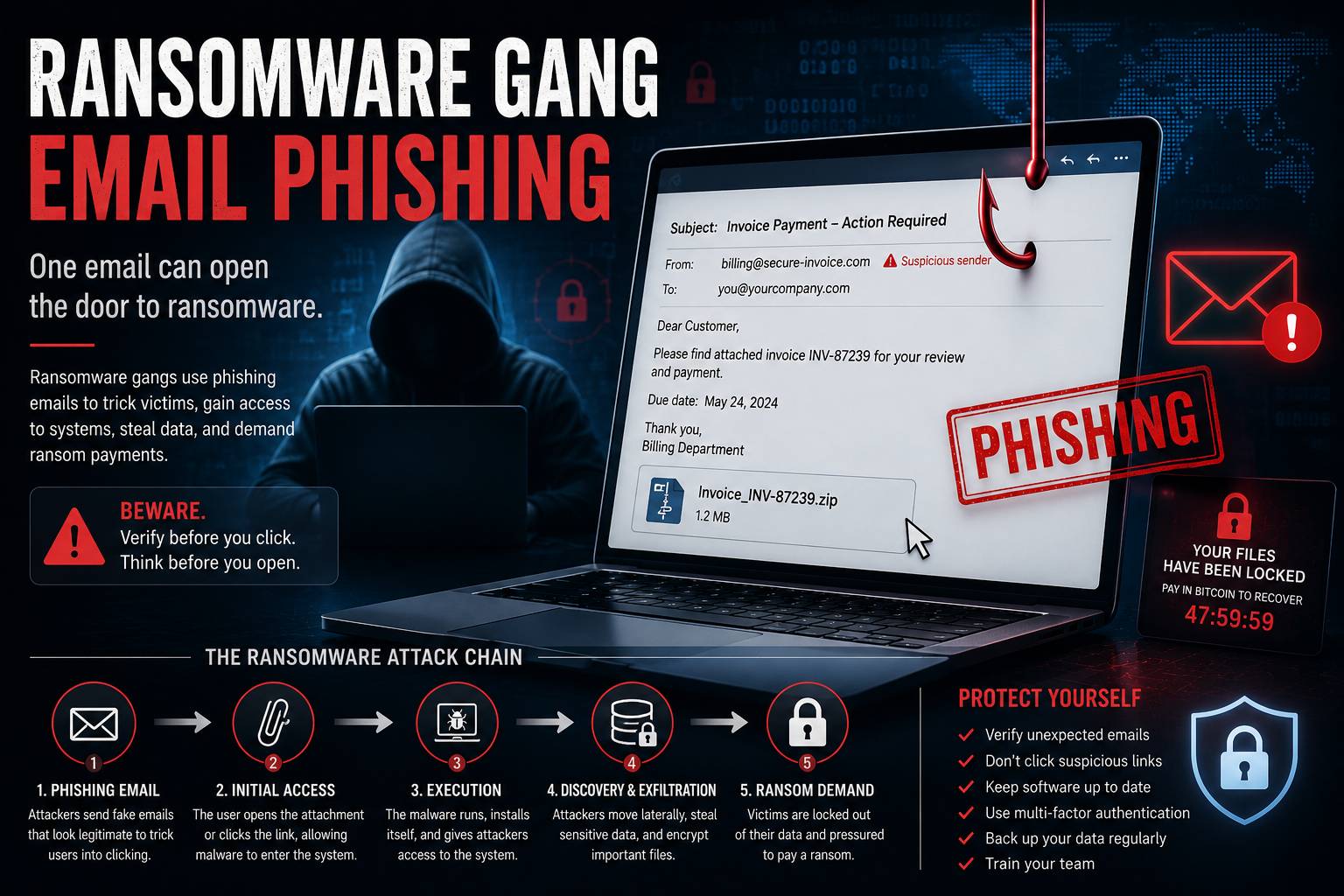
Medusa Ransomware Gang Email Phishing: How the Attacks Work and How to Stop Them (2026 Guide)
Medusa ransomware gang email phishing has hit 500+ organizations. Learn how their phishing emails work, real attack exa…
Read ArticleExpert cybersecurity insights, threat analysis, and actionable defense strategies
Medusa ransomware gang email phishing has hit 500+ organizations. Learn how their phishing emails work, real attack exa…
Read Article
WormGPT and similar dark AI tools are democratizing cybercrime by generating perfect phishing emails, malware, and soci…
Read Article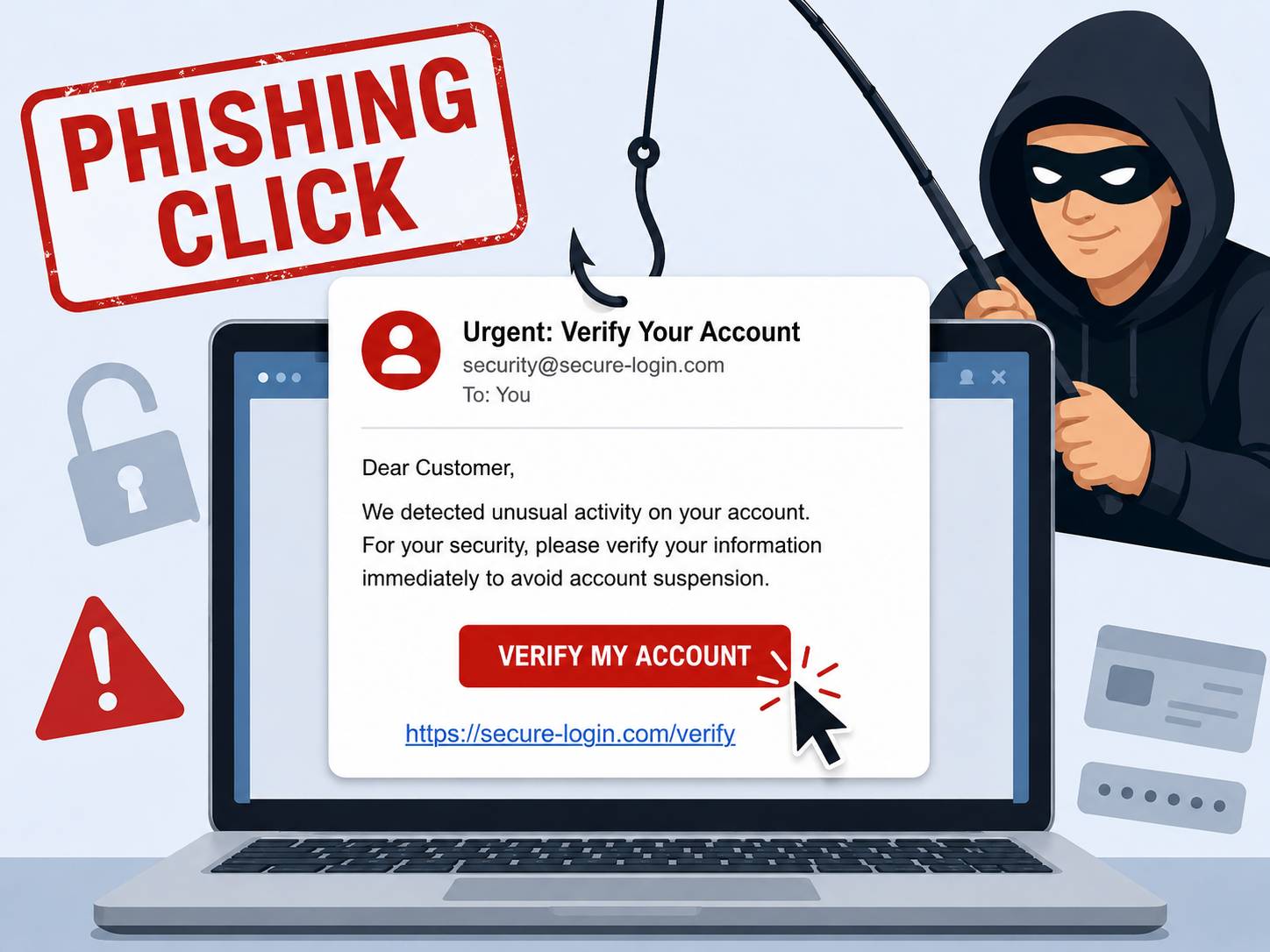
Clicked a suspicious link? Here's exactly what to do in the next 10 minutes to protect your accounts, money, and device…
Read ArticleWireshark is one of the most powerful tools for malware network forensics. This guide shows you how to capture traffic from a malware sample and identify C2 communication patterns.
"File rep malware" is a detection label used by antivirus engines when a file has low reputation but isn't confirmed malicious. Learn what this means and what to do when you see it.
AutoIt is a legitimate Windows automation language, but threat actors increasingly use it to build malware droppers, RATs, and cryptominers. Here's how to spot and block AutoIt-based threats.
MalwareBytes and Avast both promise strong malware protection, but they work differently. This honest comparison covers detection rates, performance impact, price, and which to choose.
Malware domain lists block known malicious URLs at the DNS or firewall level. Learn how these blocklists work, where to find the best free ones, and how to implement them.
If your device is part of a botnet, it's silently being used for spam, DDoS, or crypto mining. This step-by-step guide shows you how to detect botnet malware and fully remove it.
Attackers increasingly abuse cloud platforms like Google Drive, OneDrive, and AWS to host and deliver malware. Learn how cloud malware works and how enterprises can defend against it.
A Trojan horse disguises itself as legitimate software to trick users into running it. This guide explains exactly what a Trojan is, how it differs from viruses, and how to remove one.
The payload is the malicious action malware executes after infection — ransomware encryption, data theft, backdoor installation. This guide explains payloads and why they matter.
From GREM to eCMAP, malware analysis certifications validate skills that are in high demand. This guide compares the top certs, their costs, prerequisites, and which one fits your goals.