Romance Scam Money Refund Guide: How to Recover Your Losses
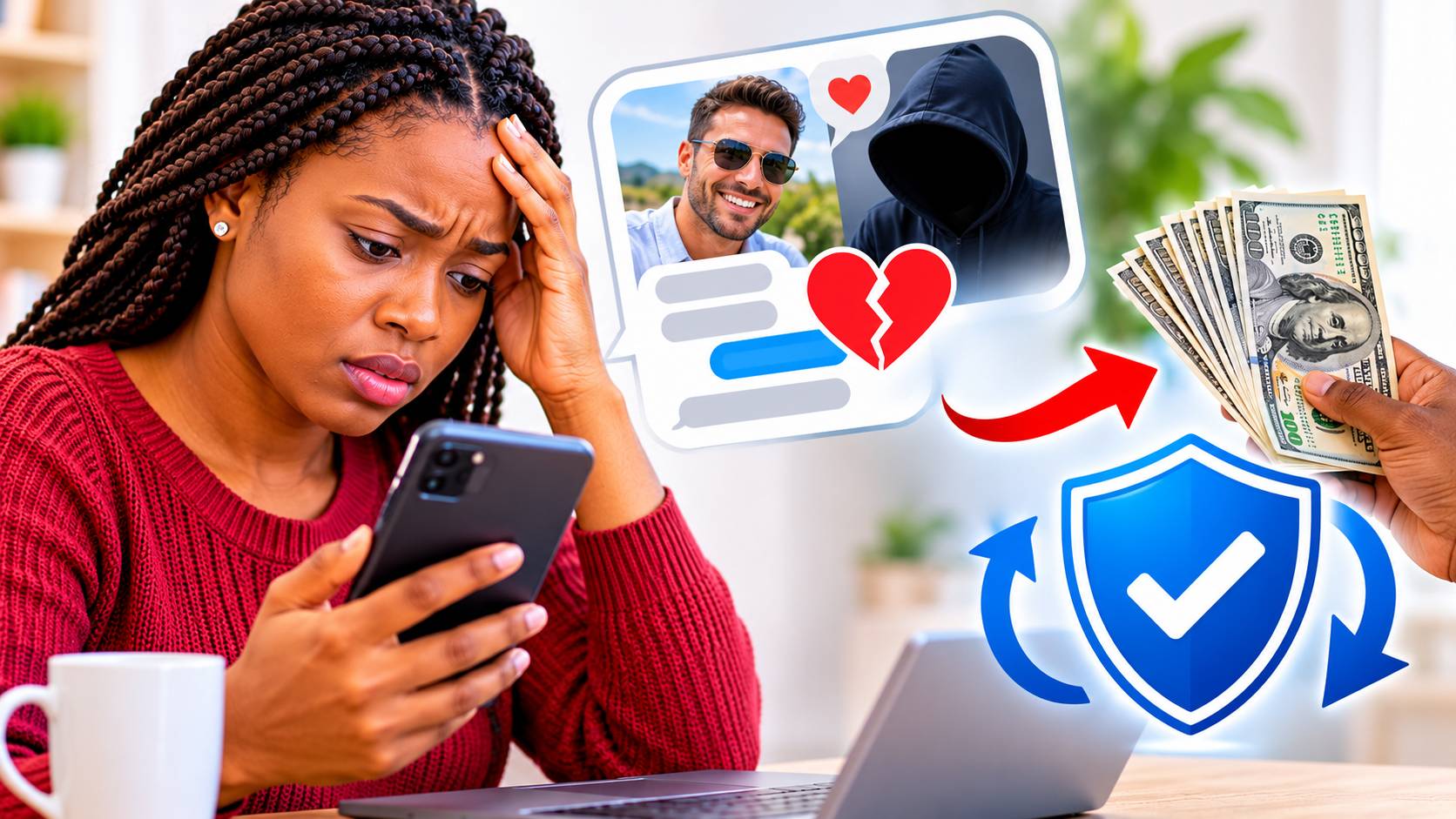
Table of Contents
Romance scams are among the most financially and emotionally devastating forms of online fraud. In 2025, the FTC reported that romance scams caused over $1.3 billion in losses in the United States alone, making it the costliest form of consumer fraud. If you have fallen victim to a romance scam, this guide will walk you through every step of attempting to recover your money and your peace of mind.
You are not alone, and there is no shame in being deceived. Romance scammers are sophisticated criminals who use psychological manipulation over weeks or months to build trust. What matters now is taking the right steps to maximize your chances of a romance scam money refund.
How to Confirm You Are a Victim of a Romance Scam
Before pursuing recovery, confirm the key signs of a romance scam:
- You met online — dating site, social media, or messaging app
- They professed love quickly — often within days or weeks
- You have never met in person or video calls were avoided/brief
- They asked for money — for emergencies, travel, medical bills, business deals, or customs fees
- Excuses prevent meeting — military deployment, offshore work, hospital stays
- Their photos may be stolen — reverse image search their profile pictures
- Payment requests were unusual — wire transfers, gift cards, cryptocurrency
Romance scammers also commonly use phone calls to deepen the relationship. If you received calls from suspicious numbers, check our US phone scam database or UK phone database.
Step 1: Gather and Preserve All Evidence
Evidence is critical for recovery. Collect everything before the scammer can delete or modify it:
Communication Records
- Screenshots of all messages — dating app, WhatsApp, Telegram, email, SMS
- Email headers (for tracing origin)
- Phone numbers used — call logs and voicemails
- Social media profiles — screenshot the full profile before they delete it
- Video call recordings if any exist
Financial Records
- Bank statements showing all transfers
- Wire transfer receipts with reference numbers
- Gift card purchase receipts
- Cryptocurrency transaction hashes
- PayPal or Zelle transaction records
Identity Information
- Names and aliases used by the scammer
- Photos they shared (for reverse image searching)
- Addresses or locations mentioned
- Bank account details they provided for receiving funds
- Any documents they shared (fake IDs, passports, etc.)
Important: Create multiple backup copies of all evidence — cloud storage, USB drive, and printed copies. This evidence will be needed for bank disputes, police reports, and potential legal proceedings.
Step 2: Report to Financial Institutions
Bank Wire Transfers
If you sent money via bank wire transfer:
- Contact your bank immediately and request a wire recall
- Explain that you are a fraud victim and provide transaction details
- Ask to speak with the fraud department, not general customer service
- Request the recall in writing — follow up the phone call with a letter or secure message
- Contact the receiving bank if identified — request they freeze the account
Wire recalls have the highest success rate within the first 24-72 hours. After that, funds have typically been moved. Still file the request regardless of timing — it creates an official record.
Credit Card and Debit Card Payments
If you paid the scammer using a card (for example, purchasing gift cards or making direct payments):
- Call the number on the back of your card
- Dispute the charges as fraud
- Provide evidence that you were deceived
- Request a chargeback under fraud or "services not rendered"
For detailed chargeback instructions, see our comprehensive guide on getting money back after being defrauded online.
Gift Cards
- Contact the gift card company (Apple, Google Play, Amazon, Steam, iTunes)
- Provide card numbers and purchase receipts
- Report that the cards were obtained through fraud
- If unredeemed, the company may freeze the remaining value
Cryptocurrency
- Report to the exchange you used to purchase or transfer crypto
- Provide wallet addresses and transaction hashes
- Recovery is difficult but not impossible — law enforcement has recovered crypto in romance scam cases
Step 3: Report to Law Enforcement and Agencies
United States
- FBI IC3 — Primary federal agency for internet crime. File a detailed complaint with all evidence
- FTC — Federal Trade Commission fraud reporting
- Local police — File a report for the record
- State Attorney General — Consumer protection division
United Kingdom
- Action Fraud — UK national fraud and cybercrime reporting
- Your bank's fraud department
Canada
Australia
Step 4: Report to the Dating Platform
Report the scammer's profile on the platform where you met them:
- Tinder, Bumble, Hinge, Match: Use in-app reporting for scam/fraud
- Facebook/Instagram: Report the profile for "Pretending to be someone" or "Scam"
- WhatsApp/Telegram: Report and block the number
Provide as much detail as possible. Platform reports help get the scammer's profile removed, protecting future victims.
Step 5: Check if You Qualify for Victim Compensation
- Authorized Push Payment (APP) fraud rules (UK): Since 2024, UK banks must reimburse APP fraud victims up to £85,000 in most cases
- Credit card Section 75 claims (UK): For purchases between £100 and £30,000
- Bank fraud guarantees: Some banks have voluntary fraud refund policies
- Victim compensation schemes: Check your jurisdiction for available programs
Step 6: Protect Yourself from Follow-Up Scams
Romance scam victims are frequently targeted again by:
- Recovery scams: "We found your money — pay a fee to release it"
- The same scammer under a new identity: Re-establishing contact
- Blackmail/sextortion: If intimate photos were shared
- Advance-fee scams: "Lawyers" or "agents" requesting fees to help
No legitimate agency will contact you first requesting payment to recover funds. Read our guide on professional scam recovery consultation to know what legitimate help looks like.
Emotional Recovery: Healing After a Romance Scam
The emotional impact of a romance scam can be as severe as the financial loss. Many victims experience:
- Grief — for the relationship they believed was real
- Shame and embarrassment — feeling foolish for being deceived
- Depression and anxiety
- Trust issues — difficulty forming new relationships
- PTSD-like symptoms in severe cases
Steps for emotional healing:
- Acknowledge that you are a crime victim — not someone who "should have known better"
- Talk to someone you trust — a friend, family member, or counselor
- Seek professional support — therapists specializing in fraud trauma
- Join a support group — organizations like AARP Fraud Watch Network and the Romance Scam Survivors community
- Be patient with yourself — recovery takes time
Remember: Romance scammers are professional criminals. They study human psychology and deliberately exploit natural human needs for connection, love, and companionship. Being targeted by one says nothing about your intelligence — it says everything about their cruelty.
Red Flags for Future Protection
- Anyone who professes love before meeting in person
- Refusal to video chat or meet face-to-face
- Stories involving military deployment, offshore oil rigs, or doctors abroad
- Financial requests of any kind from someone you have not met
- Pressure to move conversations off the dating platform to WhatsApp or Telegram
- Photos that seem too professional or model-like (reverse image search them)
Always verify people you meet online. Use ScamSandbox to check suspicious websites or links they share with you.
Frequently Asked Questions
Can I get a refund for money sent to a romance scammer?
It depends on the payment method. Credit card payments have the best recovery rates (60-80% via chargebacks). Wire transfers and cryptocurrency are much harder to recover. The key factor is speed — report immediately to maximize your chances.
Should I confront the scammer?
No. Confronting the scammer accomplishes nothing and may lead to further manipulation, threats, or blackmail. Cut all contact, preserve evidence, and focus on reporting to authorities.
How long does money recovery take?
Credit card chargebacks typically resolve in 30-90 days. Bank fraud investigations can take 45-90 days. Law enforcement investigations may take months or years. Start the process immediately and be patient.
Will the scammer be caught?
While individual scammers are difficult to catch (especially if operating from overseas), law enforcement agencies have been increasingly successful in taking down romance scam networks. Your report contributes to these larger investigations even if your specific case is not individually prosecuted.
I shared personal documents with the scammer — what should I do?
If you shared ID documents, Social Security numbers, or financial details, immediately place fraud alerts and credit freezes with all three credit bureaus (Equifax, Experian, TransUnion). Monitor your credit reports closely and consider identity theft protection services.
Get Help Today
You do not have to navigate romance scam recovery alone. Start by filing reports with your financial institutions and law enforcement, protect your identity, and seek emotional support. Use ScamSandbox to verify any websites or services recommended to you during recovery — scammers often target vulnerable victims with fake "recovery" services.
Visit our blog for more guides on protecting yourself from online fraud and recovering from scams.